Emergency rubbish collection Crouch End urgent same day help
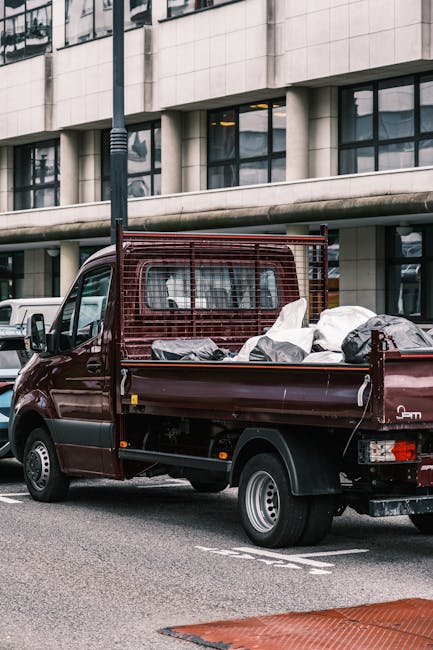
When rubbish piles up suddenly, it can feel like the room has shrunk overnight. A broken wardrobe is blocking the hallway, builders have left dust and rubble by the front door, or a tenant has moved out and left bags, boxes, and one very questionable mattress. If you need Emergency rubbish collection Crouch End urgent same day help, the real priority is simple: get the space safe, clear, and usable again without making the day harder than it already is.
This guide explains how urgent rubbish collection works in Crouch End, what usually can be removed the same day, how to prepare, where people often go wrong, and what to look for in a provider. It is written for genuine real-world situations, not neat theoretical ones. Because let's face it, rubbish emergencies are rarely neat.
- Why it matters
- How it works
- Key benefits
- Who needs this
- Step-by-step guidance
- Expert tips
- Common mistakes to avoid
- Tools, resources and recommendations
- Law, compliance, standards and best practice
- Options and comparison table
- Case study or real-world example
- Practical checklist
- Conclusion
- Frequently asked questions
Why Emergency rubbish collection Crouch End urgent same day help Matters
Urgent rubbish removal is not just about tidiness. In practice, it is often about access, safety, neighbours, and time. A blocked passageway can turn into a trip hazard. A heap of waste in a shared hallway can make moving furniture awkward, or impossible. And if waste is left near a front entrance, bins can overflow, smells can build, and the whole job starts to attract attention you really do not want.
In Crouch End, where homes, flats, shops, and managed properties often sit close together, quick clearance can make a surprisingly big difference. One awkward pile in a narrow stairwell can affect a whole building. One abandoned load after a renovation can stall the final clean. Even a small amount of waste, if it is in the wrong place, becomes a bigger problem than the volume suggests.
There is also the practical side: urgent collection helps restore order fast. If you are preparing a property for new tenants, dealing with post-build debris, handling an unexpected office clear-out, or simply trying to get your garage back, same-day help can stop a small disruption from becoming a weekend-long headache.
Expert summary: Emergency rubbish collection is most valuable when waste is creating risk, blocking access, or delaying a property handover. Speed matters, but so does choosing a team that can remove the right items safely and dispose of them properly.
How Emergency rubbish collection Crouch End urgent same day help Works
Same-day rubbish clearance usually follows a fairly straightforward process, though the speed depends on how much needs removing and what type of waste is involved. The best providers keep the process simple because, frankly, there is enough going on already.
Typical same-day process
- You explain the job clearly. This usually means the type of waste, approximate amount, access details, and how urgent the situation is.
- A quote or estimate is provided. For larger or mixed loads, a quick site visit or photos may be needed.
- A collection window is arranged. Same-day means the team aims to arrive within the available schedule, not at some magically exact minute.
- The waste is loaded and removed. A good team will sort items sensibly, handle heavy objects carefully, and avoid damaging walls, flooring, or shared areas.
- The load is taken for transfer, sorting, and responsible disposal. Reusable and recyclable materials are separated where possible.
For many customers, the difference between a smooth job and a stressful one comes down to the first call or message. If you can say what is there, where it is, and whether access is tight, the collection tends to go more smoothly. That sounds obvious, but in an urgent situation it is easy to forget the basics.
If the waste is part of a wider property clear-out, you may also want to look at home clearance, house clearance, or flat clearance options where those services better match the job.
Key Benefits and Practical Advantages
Emergency rubbish collection is popular for a reason. Speed is the obvious benefit, but there is a longer list underneath that matters just as much.
- Fast space recovery: You get access back quickly, which is often the whole point.
- Reduced stress: A cluttered, blocked, or messy area can be mentally draining. Clearing it promptly helps.
- Better safety: Loose rubble, sharp items, broken furniture, and stacked bags can cause accidents.
- Less disruption to neighbours or staff: In flats, offices, and shared buildings, a fast turnaround is usually appreciated.
- More efficient than doing it yourself: If you need a van, lifting help, loading time, and a place to take the waste, the logistics stack up fast.
- Useful for deadline-driven situations: End of tenancy, post-builder clean-up, shop refit, or property sale deadlines can all benefit from same-day support.
There is also a quieter benefit: it helps you make decisions sooner. When the unwanted stuff is gone, you can actually see the room, the floor, the layout, and what still needs attention. It sounds minor. It is not.
Who This Is For and When It Makes Sense
This kind of service is for people who need action, not a long planning exercise. You might be in that position if any of the following sound familiar.
Common situations in Crouch End
- After a move: Furniture left behind, broken boxes, packaging, or last-minute junk in the hallway.
- After building or DIY work: Plasterboard offcuts, wood, tiles, rubble, and mixed builders waste.
- Tenant or landlord issues: A property needs to be cleared quickly before cleaning, inspection, or reletting.
- Shop or office clear-outs: Outdated desks, archive waste, shelving, display units, or broken stockroom items.
- Garden or outdoor clearances: Branches, soil, fencing, old pots, and weather-damaged clutter.
- Large item emergencies: A sofa, mattress, fridge, or appliance that has failed at exactly the wrong time.
Sometimes people call for same-day help because a single item has become a real blockage. Other times it is a pile that has grown slowly until the room is basically unworkable. Truth be told, both happen more often than you might think.
If your job is mainly business-related, take a look at business waste removal or office clearance for a better fit. If you are dealing with heavy furniture, furniture disposal and furniture clearance are often the more appropriate route.
Step-by-Step Guidance
If you want the fastest and cleanest outcome, a small amount of preparation goes a long way. No need for perfection. Just be sensible and quick about it.
1. Identify exactly what needs removing
Separate the urgent waste from the maybe-later pile. Mixed loads are fine, but knowing what must go now helps the team plan labour, access, and vehicle space. Take a photo if that is easier than explaining it over the phone.
2. Check for restricted or hazardous items
Some items need special handling. That includes chemicals, certain electrical items, paint, sharp debris, contaminated materials, or anything that may be unsafe to move casually. If in doubt, mention it early. This avoids delays and keeps everyone safer.
3. Make access as easy as you can
Clear the route to the waste. Open gates. Move cars if needed. Tell someone about buzzers, loading bays, stairwells, or awkward entry codes. In a narrow Crouch End street, a small access detail can save a lot of time.
4. Ask for a transparent price explanation
Urgent work should still be clear. Ask what affects the price: volume, labour, heavy lifting, access difficulty, and disposal type. If a provider cannot explain the quote in plain English, that is worth noticing.
5. Confirm timing and expectations
Same-day help does not always mean immediate arrival. It usually means the team schedules the job that day if capacity allows. Ask for the likely window and whether someone needs to stay on site. A little clarity now prevents that annoying "where are they?" phone call later.
6. Keep valuables and paperwork separate
This sounds obvious, but in a rush things get mixed. If there are documents, keys, chargers, bank statements, or sentimental bits near the waste, move them away first. One misplaced envelope can ruin an otherwise tidy day.
7. Ask what happens after collection
A responsible provider should sort waste for reuse, recycling, and lawful disposal where possible. If you want a wider sense of how waste is handled, their recycling and sustainability information is worth reading before you book.
Expert Tips for Better Results
After a lot of real-world clearances, a few patterns keep showing up. The jobs that go best are not the fanciest ones. They are the ones where the customer gives the right information early.
- Send photos if you can. Photos reduce guesswork and help avoid underestimating the load.
- Be honest about heavy items. A broken fridge or soaked carpet bag is not the same as a few cardboard boxes.
- Group waste by type where practical. It is not essential, but it can speed things up.
- Tell the team about narrow stairs, basement access, or parking issues. These details matter more than people expect.
- Keep pets and children out of the working area. Fast jobs still involve lifting, turning, and carrying.
- Don't wait until the pile is blocking the doorway. That is the point where a routine clearance turns into a scramble.
A small but useful tip: if you think you may need a second load, say so at the start. Sometimes the first van space is fine and everything fits. Sometimes it doesn't. Better to plan with a bit of slack than to pretend the sofa, six bin bags, and a dismantled wardrobe are all somehow "not much".
Common Mistakes to Avoid
Urgent rubbish collection is meant to remove pressure, but a few avoidable mistakes can create more of it.
1. Waiting too long to book
If the waste is already causing problems, waiting usually makes everything harder. Same-day help can be available, but it is still subject to scheduling and capacity.
2. Not describing the waste properly
"Just a few bits" can mean anything from two black bags to a heap of broken furniture and plasterboard. That gap matters. Be specific.
3. Forgetting about hazardous items
Some waste cannot be handled like ordinary household rubbish. Mixing it in with everything else can create delays or compliance issues.
4. Blocking access
It is amazing how often the waste is ready, but the path to it is not. Cars in the drive, locked side gates, or a storage unit padlock no one can find can slow an otherwise simple job.
5. Choosing only on price
A very cheap quote is not useful if the team arrives unprepared, cannot handle the load properly, or leaves you with a half-finished clearance. Price matters, yes. But reliability matters more in an emergency.
For delicate or regulated waste streams, see whether the provider offers services such as confidential shredding or hazardous waste disposal where relevant. Not every job needs them, of course, but the wrong disposal route can create avoidable trouble.
Tools, Resources and Recommendations
You do not need much to organise an urgent clearance, but a few simple tools help.
- Phone camera: Take quick photos of the waste and access route.
- Rough measurements: Even approximate sizes help with load planning.
- Basic checklist: Separate urgent items, valuables, and anything that needs special handling.
- Payment readiness: Be clear on how payment works before the crew arrives. Their payment and security information may help.
- Property details: Flat number, parking notes, gate codes, and any loading restrictions.
Some people also find it helpful to compare emergency collection with a skip. If the waste is bulky, mixed, or needs lifting down stairs, a direct collection is often simpler. If you are still weighing that up, the page on what can go in a skip can help you understand the sort of material that is typically handled differently.
And if you are trying to understand pricing before committing, pricing and quotes is a sensible place to start. No mystery, no drama, just clear expectations.
Law, Compliance, Standards, or Best Practice
Waste collection in the UK is not just a "take it away" job. Good operators need to handle waste responsibly and in line with the relevant duty of care expectations. For customers, that usually means two things: use a legitimate provider, and make sure the waste is described accurately.
For emergency rubbish collection, the practical best practices are fairly straightforward:
- Waste should be taken to a lawful facility or handled through an approved disposal route.
- Hazardous or specialist waste must be separated and treated appropriately.
- Load handling should protect staff, residents, visitors, and property.
- Public areas, stairwells, and entrances should be left clean and safe after removal.
- Business customers should be especially careful with mixed waste, confidential material, and tenancy or facilities obligations.
If you are arranging collection for an office, shop, or other commercial setting, it is sensible to ask about office clearance and business waste removal options, because commercial waste often carries different handling needs than household rubbish.
It is also wise to review the provider's health and safety policy, insurance and safety information, and broader company details. That is not being over-cautious. It is just sensible, especially when the job involves heavy lifting or shared-access buildings.
Options, Methods, or Comparison Table
Emergency rubbish collection is one route. Self-haul, skip hire, and scheduled clearance are others. Which one is best depends on speed, access, waste type, and how much physical work you want to take on yourself.
| Option | Best for | Strengths | Limitations |
|---|---|---|---|
| Same-day rubbish collection | Urgent, bulky, awkward, or mixed waste | Fast, labour included, less hassle | Depends on availability and access |
| Skip hire | Longer projects with space for a skip | Good for ongoing DIY waste | Needs space, loading effort, and time |
| Self-haul | Small loads and people with a suitable vehicle | Can be cheap if you already have transport | Time-consuming, physically demanding, less convenient |
| Planned clearance | Non-urgent home or business decluttering | Useful for larger projects and tidying in stages | Not suitable for immediate problems |
If the waste is in a difficult building or involves furniture, the direct-collection route usually wins on convenience. If it is mostly controlled DIY waste and you have time, a different option may fit better. There is no magic formula, just the right tool for the job.
Case Study or Real-World Example
Here is a realistic example from the kind of job that comes up more often than people think.
A landlord in Crouch End had a flat that needed to be turned around quickly after a tenant moved out. The main issue was not just bagged rubbish. There was a damaged sofa, several broken shelving units, loose packaging, and a pile of mixed items in the hallway that made cleaning awkward. The property still looked like a halfway point between moving day and a small disaster.
The key to making it manageable was simple: photos were sent first, access details were confirmed, and the team knew there was a stairwell to navigate. On arrival, the waste was removed in one visit, the hallway was left clear, and the cleaner could start immediately afterward. That sequence saved time at every step.
What mattered most was not speed alone. It was speed plus planning. That is the bit people underestimate.
Practical Checklist
Use this quick checklist before the crew arrives. It keeps the job tight and helps avoid those small mistakes that somehow become big ones.
- Take clear photos of the waste.
- List the main item types, including bulky or heavy pieces.
- Separate anything hazardous, confidential, or fragile.
- Clear access routes, gates, and stairwells.
- Move cars or obstacles if possible.
- Confirm parking and loading restrictions.
- Keep pets and children away from the work area.
- Check that valuables and paperwork are not mixed in.
- Ask how payment works and what is included.
- Confirm whether a second load may be needed.
If your situation is more of a property-wide clear-out than a single urgent pickup, services like loft clearance, garage clearance, or garden clearance may fit better than a simple one-off uplift.
Conclusion
When you need emergency rubbish collection in Crouch End, the goal is not just to "get rid of stuff". It is to remove the blockage, restore safety, and bring the space back under control as quickly and sensibly as possible. Same-day help is especially valuable when the waste is causing delays, creating hazards, or standing in the way of a property handover.
The best results come from clear communication, straightforward access, and a provider that handles disposal properly rather than just shifting the mess from one place to another. That mix of speed and care is what really makes the difference.
Get a free quote today and see how much you can save.
And if you are still deciding whether you need urgent collection, a full clearance, or a more specialised service, the safest next move is to compare the options calmly and choose the one that actually solves the problem. Small step, but a good one.
Frequently Asked Questions
How fast can emergency rubbish collection in Crouch End happen?
It depends on availability, access, and the amount of waste, but same-day help is often possible for urgent jobs when the team has capacity and the details are clear.
What counts as an emergency rubbish collection?
Usually it is waste that is blocking access, creating a safety issue, causing a tenancy delay, or simply cannot wait until a routine booking. A hallway blocked by broken furniture definitely counts.
Can you collect bulky items on the same day?
Yes, bulky items such as sofas, mattresses, wardrobes, appliances, and broken furniture are often the exact reason people request urgent collection.
Do I need to sort the rubbish before collection?
Not perfectly. A bit of sorting helps, but the main thing is to separate hazardous or confidential items and explain the load clearly.
What if I have mixed waste from building work?
Mixed waste is common. Builders waste, packaging, wood, rubble, and broken fixtures can often be collected together, though the details matter. For renovation debris, builders waste clearance is a useful related option.
Is same-day collection more expensive than normal booking?
It can be, because urgent work may involve priority scheduling and faster dispatch. The best approach is to ask for a clear estimate and understand what affects the price.
Can hazardous waste be taken away urgently?
Sometimes, but it depends on the item type and the provider's handling procedures. Hazardous materials need careful assessment and should never be treated like ordinary rubbish.
What should I do if the waste is in a flat with narrow stairs?
Tell the provider in advance and send photos if you can. Tight access is normal in many parts of London, but it affects staffing and timing.
Will the waste be recycled?
Responsible providers aim to separate recyclable and reusable materials where possible. If sustainability matters to you, check the company's approach to sorting and disposal.
Can I book urgent rubbish collection for my business?
Yes. Offices, shops, landlords, and contractors often need fast clearance. In those cases, business waste removal or office clearance may be the most suitable route.
What information helps the collection go smoothly?
Photos, access notes, approximate volume, item types, parking details, and any special handling requirements. A minute spent on this upfront can save a lot of back-and-forth later.
How do I choose the right provider for urgent rubbish removal?
Look for clear communication, sensible pricing, appropriate handling of waste types, and proper attention to safety and disposal. If a company seems vague at the start, that is usually a warning sign rather than a personality quirk.