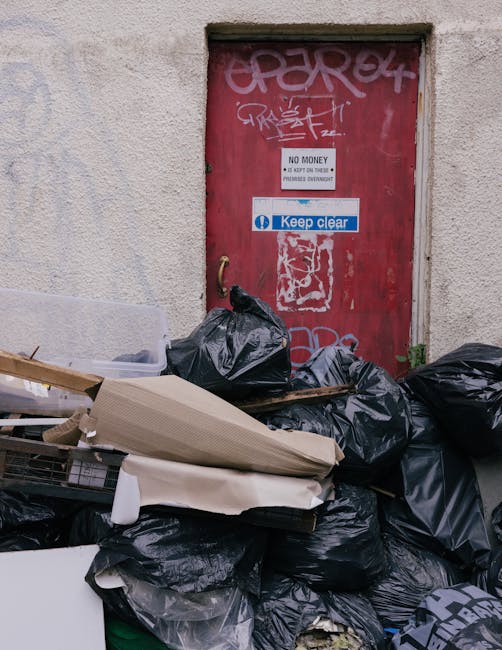
Avoid hidden fees for rubbish removal Crouch End: what to know before you book
If you are trying to avoid hidden fees for rubbish removal Crouch End what to know before you book, you are already doing the right thing. The awkward bit with waste clearance is not usually the lifting or the sorting. It is the surprise add-ons. One minute you think you have a simple quote, the next there is a charge for stairs, waiting time, "access issues", or a van that somehow got bigger on the invoice than it was in the driveway. Bit annoying, frankly.
This guide breaks down how rubbish removal pricing usually works in Crouch End, where hidden costs tend to appear, what to ask upfront, and how to compare quotes without getting caught out. It is written for real-life situations: a flat clearance after a move, a garden tidy-up, builder's rubble, or just a van-load of clutter that needs to disappear before the weekend. Let's make the whole thing a lot less vague.
Why hidden fees for rubbish removal Crouch End matters
Hidden fees matter because rubbish removal is one of those services where the job can look simple from the pavement and then become more complex the moment the crew starts working. A sofa in a ground-floor front room is one thing. A bulky mattress on the top floor of a narrow Victorian terrace is another. In Crouch End, that difference can mean stairs, parking restrictions, awkward access, or extra handling time. If those details are not discussed early, you can end up paying more than you expected.
People often assume the quote is the quote. In reality, many removal jobs are priced on a mix of load size, weight, labour, access, item type, and disposal requirements. That is normal. The problem starts when the quote leaves out details that only appear later. A clear, itemised conversation at the start saves hassle, awkwardness, and that "hang on a minute" feeling when the invoice lands.
It also matters for trust. If a company is transparent about pricing, it is usually more transparent about collection times, what can be taken, and what happens to your waste after pickup. That does not guarantee perfection, of course, but it is a good sign. And in a busy area like Crouch End, where people often want fast, tidy clearances with minimal disruption, clarity is worth a lot.
How rubbish removal pricing works
Most rubbish removal services price jobs using a few core factors. The exact mix varies, but the logic is fairly consistent. First is the amount of waste. Second is the type of waste. Third is how easy it is to collect. Fourth is how it must be disposed of. If you understand those four pieces, you are already ahead of most customers.
Here is the general flow. You describe what needs removing, share photos if asked, and get an estimate. The team arrives, confirms the load, and checks whether the waste matches what was described. If everything lines up, the job is completed and charged as quoted. If it does not, the price may change. That change is legitimate only when the difference is real and was not hidden in the fine print.
Some of the most common pricing triggers are:
- extra volume beyond the original estimate
- very heavy loads, such as rubble or soil
- special handling for appliances or awkward items
- restricted access, multiple flights of stairs, or long carrying distances
- parking difficulty or waiting time
- hazardous or regulated waste that needs separate treatment
If you want a clearer starting point, the website's pricing and quotes page is the most relevant place to begin. It is also sensible to read the terms and conditions so you know how the business defines estimates, cancellations, and any exceptions before you book.
Truth be told, the most expensive rubbish removal job is often not the biggest one. It is the one that was poorly described. A quick phone call or a few well-lit photos can save more money than you might expect.
Key benefits and practical advantages
Getting a fair, transparent quote is not just about avoiding a nasty surprise. It also makes the whole removal easier from start to finish.
- Better budget control: you can plan around a real cost rather than an optimistic guess.
- Less stress on the day: no one wants to renegotiate while standing in the hallway with a dismantled wardrobe.
- Faster turnaround: clear information upfront helps the crew arrive prepared.
- Cleaner expectations: you know what is included, what is excluded, and what might change the price.
- Better service comparison: you can compare like for like, not one vague quote against another vague quote.
There is another practical benefit people overlook: a clear quote helps you choose the right service. For example, a full house clearance, a small flat clearance, and a few items of furniture removal are not the same job. If you only need a couple of bulky pieces taken away, you may not need anything more elaborate than a simple waste removal visit. For bigger projects, services such as house clearance, flat clearance, or office clearance may fit better.
That matching process matters. It keeps pricing aligned with the real job, and that usually means fewer surprises. Simple, but not always obvious.
Who this is for and when it makes sense
This guidance is useful for almost anyone booking clearance in Crouch End, but it is especially helpful if you are in one of these situations:
- you are moving out and need a flat or house cleared quickly
- you are clearing builder's debris after renovations
- you have bulky furniture that will not fit in a regular bin collection
- you are tidying a loft, garage, or garden and do not know how much will come out
- you need business waste removed without disrupting staff or customers
- you have mixed waste and are unsure what counts as standard rubbish
It also makes sense if you have had a bad experience before. Many people do. A client says one thing over the phone, another thing at the kerbside, and by the time the driver arrives the price has grown legs. If that sounds familiar, you are not being fussy by asking more questions. You are being sensible.
For furniture-heavy jobs, you may want to look at furniture disposal or furniture clearance. For items like mattresses and sofas, the specialist pages for mattress and sofa disposal and fridge and appliance removal can help you understand what needs extra care.
If your project is bigger or more mixed, the general waste removal page is useful because it sits closer to the broad, everyday jobs people actually book. Not every clearance needs a specialist label. Sometimes it is just a pile of stuff that has gotten out of hand. Happens to the best of us.
Step-by-step guidance
Here is a practical way to keep costs clear and avoid hidden fees.
- List everything that needs going. Be honest about quantity, size, and type. One broken wardrobe is not the same as a van full of mixed furniture.
- Take clear photos. Include the items, access route, stairs if relevant, and anything awkward like tight turns or basement steps.
- Describe the waste properly. Mixed rubbish, garden waste, builders waste, and electrical items can all be priced differently.
- Ask what is included. Confirm labour, loading, disposal, VAT if applicable, parking, and any congestion-related issues if they matter to your location and timing.
- Ask what could change the price. A direct question is better than guessing. What if the pile is a bit bigger? What if the crew has to carry further than expected?
- Check the minimum charge. Some jobs are priced at a base rate even if the load is small.
- Confirm arrival and collection windows. If you are juggling work, children, or building trades, timing matters.
- Get the quote in writing where possible. A clear message or email is better than a vague phone memory from Tuesday afternoon.
If your waste includes restricted items, it is wise to flag that early. Hazardous materials are not treated like ordinary household rubbish. The same goes for waste that may need separate handling, such as chemicals or certain electrical items. The page on hazardous waste disposal is a helpful reference point for understanding when a standard clearance is not enough.
One small but important point: ask whether the collection is based on what is visible or what is actually present. That sounds obvious, but it avoids a lot of friction. Behind the garage door can be a different story, and sometimes a much smellier one too. Freshly damp cardboard, old paint tins, and a stubborn broken freezer are all classic troublemakers.
Expert tips for better results
To keep rubbish removal pricing honest and predictable, the best approach is usually a mix of preparation and good questions.
- Sort before the crew arrives. Separating reusable items, furniture, green waste, and general clutter can make the job cleaner and quicker.
- Be precise about access. Mention narrow stairs, no lift, parking limits, basement access, or long driveway carries. These are not minor details.
- Ask about recycling. A transparent provider should be able to explain how waste is separated or diverted where possible. The company's recycling and sustainability page is a good signpost for this conversation.
- Use service-specific pages to narrow the job. For example, if you only need a loft emptied, a dedicated loft clearance can be more appropriate than a broad quote for "general rubbish".
- Ask how payment works. A trusted provider should be clear about card, invoice, or payment handling. You can also review payment and security for extra reassurance.
Another tip, and this one saves a surprising amount of grief: do not round down the amount of waste "just to be safe". It feels polite, but it can backfire. Better to over-explain than under-explain. If you are unsure, say so. Honest uncertainty is much easier to price than optimistic guesswork.
And yes, ask the boring questions. Is there a call-out fee? Is loading included? What happens if the lift is out of order? Boring questions today, less boring invoice tomorrow.
Common mistakes to avoid
A lot of hidden-fee problems are actually avoidable. They start with rushed assumptions, not bad luck.
- Giving a rough estimate without photos. "It's only a few bits" can mean very different things to different people.
- Forgetting access details. Stairs, parking, and distance from the vehicle can affect labour time and cost.
- Mixing item types without mentioning it. General rubbish, garden waste, and construction debris are often treated differently.
- Assuming appliances are standard waste. Fridges, freezers, and some electrical items may need separate handling.
- Not reading the small print. The quote may look fine until you notice what is excluded.
- Booking the wrong service. A house clearance is not always the right answer for three chairs and a mattress.
One mistake people make in London more broadly is forgetting that parking and timing are part of the logistics. Even if the waste itself is small, the crew still has to park somewhere practical, load quickly, and work safely. If your road is tight or busy, say so. It is not a complaint. It is just useful information.
Another one: not asking about complaint handling before you need it. That sounds a bit grim, but if something does go wrong, it helps to know the route. The company's complaints procedure gives you a sense of how issues are handled.
Tools, resources and recommendations
You do not need fancy software to avoid hidden fees. A few simple tools and habits are enough.
- Your phone camera: take wide shots plus close-ups of anything unusual.
- A short inventory list: write down item names, approximate quantities, and where they are located.
- Measuring tape: useful for bulky furniture, mattress sizes, or awkward items.
- Access notes: stairs, entry codes, parking restrictions, and lift availability.
- Booking confirmation: keep the quote and the key details in one place.
For local customers who want to keep the process simple, the most helpful next step is usually to gather photos and use the site's book online option if that suits your job. If you prefer a broader overview of what the team offers, the about us page is a sensible place to learn more about the business before committing.
For specialist jobs, the relevant service page can also clarify what counts as a standard load and what may need extra attention. That is especially useful for builders waste clearance, garden clearance, and garage clearance.
Small organisation now saves big confusion later. Honestly, it is one of those things people mean to do and then forget until the van arrives.
Law, compliance, standards and best practice
When rubbish is collected professionally in the UK, the key expectation is that waste is handled responsibly and lawfully. You do not need to become a compliance expert, but you do want to know that the provider takes duty of care seriously, separates waste appropriately where possible, and avoids dumping or unclear disposal practices.
Best practice in this space usually includes the following:
- clear pricing before the job starts
- honest description of what is and is not included
- safe loading and transport
- appropriate handling of special waste streams
- respect for property, neighbours, and access rules
If a job involves hazardous waste or items with special handling requirements, that should be treated separately. You should not be pushed into a standard quote if the waste clearly needs a different process. Likewise, if a business is storing or transporting customer information, a service such as confidential shredding may be more appropriate than ordinary rubbish removal.
Insurance and safety also matter. A crew working around tight stairwells, sharp edges, heavy furniture, and broken items should be covered and trained appropriately. The company's insurance and safety page and health and safety policy are useful for understanding the standards they say they work to.
There is no need to be dramatic about any of this. Just be careful. In the waste world, vague promises are cheap. Clear process is the real value.
Options, methods, and comparison table
Not every clearance job should be handled the same way. Here is a straightforward comparison to help you decide what fits best.
| Option | Best for | Risk of hidden fees | What to check |
|---|---|---|---|
| General rubbish removal | Mixed household clutter, small-to-medium loads | Medium | Load size, access, labour, exclusions |
| Furniture disposal | Bulky items like sofas, beds, wardrobes | Medium to high | Item count, stairs, dismantling, mattress handling |
| House or home clearance | Whole-property or large multi-room clearances | Medium | Scope, sorting, special items, time required |
| Builders waste clearance | Heavy rubble, timber, renovation debris | High | Weight, volume, separate waste types, access |
| Garden clearance | Green waste, branches, soil, outdoor clutter | Medium | Volume, soil weight, contamination, access |
The main takeaway? The more specialised or heavy the waste, the more important it is to define the job properly before the quote is accepted. If you are unsure which option applies, browse the related service pages and choose the nearest fit rather than forcing a general job into the wrong box.
For many customers, that means deciding between a general waste removal service and a more specific clearance page. Neither is "better" in the abstract. The right one is the one that matches your actual load and access conditions.
Case study or real-world example
Here is a realistic example from the sort of job that causes pricing confusion if it is not described properly.
A couple in Crouch End were clearing a first-floor flat after a long tenancy. They thought the job was simple: one sofa, two armchairs, a mattress, some broken shelving, and a handful of bags. On paper, that sounds modest. But the flat had a narrow staircase, a parking restriction on the street, and the mattress had to be carried around a tight corner with no lift. Nothing dramatic, just enough friction to matter.
They sent photos, included the staircase, and listed the items clearly. The provider confirmed what was covered, explained that the quote would depend on the final load and access, and clarified that the fridge in the kitchen would need separate treatment if they wanted it taken. That meant no surprise at the door. The job finished smoothly, and the couple knew exactly why the price was what it was.
The lesson is not that every job is complicated. It is that tiny details add up. A quick stairwell photo, one honest message about access, and a clear item list can turn a shaky estimate into a solid one. Not glamorous, but it works.
If your job is similar, the relevant pages for flat clearance and mattress and sofa disposal can help you describe the work more accurately before requesting a price.
Practical checklist
Use this checklist before you confirm any rubbish removal booking in Crouch End.
- Have I listed every item or pile that needs removing?
- Have I shared photos of the waste and the access route?
- Have I mentioned stairs, lifts, parking, and distance from the vehicle?
- Have I asked what the quote includes and excludes?
- Have I confirmed whether labour and disposal are included?
- Have I explained any heavy, awkward, or hazardous items?
- Have I checked whether I need a specialist service instead of general rubbish removal?
- Have I read the relevant terms and pricing information?
- Have I asked how payment works and what happens if the job changes?
- Have I kept the confirmation in writing?
If you can tick most of those off, you are in a much better place. The quote may still change if the real-world situation changes, but at least you have done your bit to make the pricing fair and predictable.
Conclusion
Avoiding hidden fees for rubbish removal in Crouch End is mostly about clarity. Be precise with your description, ask the awkward questions early, and use the right service for the job. That is really the heart of it. The cleaner your brief, the cleaner the price. And the smoother the day, too.
When a provider is upfront about load size, access, special items, payment, and terms, you can book with a lot more confidence. That matters whether you are clearing one bulky sofa or an entire property. No one wants a surprise invoice, especially not after they have already spent the morning moving boxes, dodging dust, and finding out how much junk can hide in a loft.
If you are ready to take the next step, review the pricing details, choose the service that best matches your waste, and keep the important facts in writing. It is a simple habit, but it saves headaches. And a small bit of peace of mind is worth having, to be fair.
Get a free quote today and see how much you can save.
Sometimes the best bargain is the one that feels calm from the start.
Frequently Asked Questions
What are the most common hidden fees in rubbish removal?
The usual surprises are extra labour, stairs, parking issues, oversized loads, heavy waste, and special handling for appliances or restricted items. Most of these are avoidable if you describe the job properly before booking.
How can I tell if a rubbish removal quote is fair?
A fair quote should explain what is included, what could change the price, and whether access or waste type affects the final cost. If the quote is vague, ask for a clearer breakdown before you agree.
Should I send photos before booking a collection?
Yes, if you can. Photos help the provider judge volume, access, and the type of waste. They are one of the easiest ways to reduce the chance of extra charges on the day.
Do stairs always cost extra for rubbish removal?
Not always, but stairs can affect labour time and effort, especially with bulky or heavy items. It is better to mention them early so the quote reflects the actual work.
Can I get a fixed price for rubbish removal in Crouch End?
Sometimes yes, especially when the load is clearly described and access is straightforward. For larger or less predictable jobs, the price may remain an estimate until the crew sees the waste in person.
What should I ask before I accept a rubbish removal quote?
Ask what the quote includes, whether there are call-out or disposal charges, what happens if the load is bigger than expected, and whether any items need special handling. Clear questions now prevent awkwardness later.
Are fridges, mattresses, and sofas treated differently?
They often are. These items may need separate handling because of size, materials, or disposal requirements. It is wise to mention them specifically and check the relevant service page if needed.
Is it cheaper to use a skip or rubbish removal?
It depends on the job. A skip can suit ongoing work, while rubbish removal is often easier for quick clearances, awkward access, or mixed waste. The right choice usually comes down to convenience, volume, and how quickly you need things gone.
What if my waste changes after I get the quote?
Tell the provider as soon as possible. If the amount, weight, or type of waste changes, the price may need adjusting. Honest updates are better than surprises on collection day.
How do I avoid paying for waste that could have been sorted out beforehand?
Sort the waste into clear groups, remove any reusable items if you plan to keep or donate them, and explain exactly what is being collected. The clearer the load, the less room there is for guesswork.
What if I need a big property clearance rather than a small rubbish collection?
Look at more specific services such as house clearance, home clearance, loft clearance, or office clearance. Matching the service to the job usually gives you a more accurate quote and a smoother removal.
Is there a best time of day to book rubbish removal?
If access or parking is tight, earlier slots can sometimes make things easier. That said, the best time is the one that gives you enough breathing room to confirm the job, prepare the items, and avoid last-minute stress.